Dumpster Rental in Blaine, MN: How to Choose the Right Roll‑Off for Your Project
A practical guide for Blaine and north‑metro homeowners and contractors that explains how to match a roll‑off dumpster to garage clean‑outs, kitchen remodels, roof tear‑offs and small demolition jobs, plus what materials need special handling and how local placement and scheduling typically work.

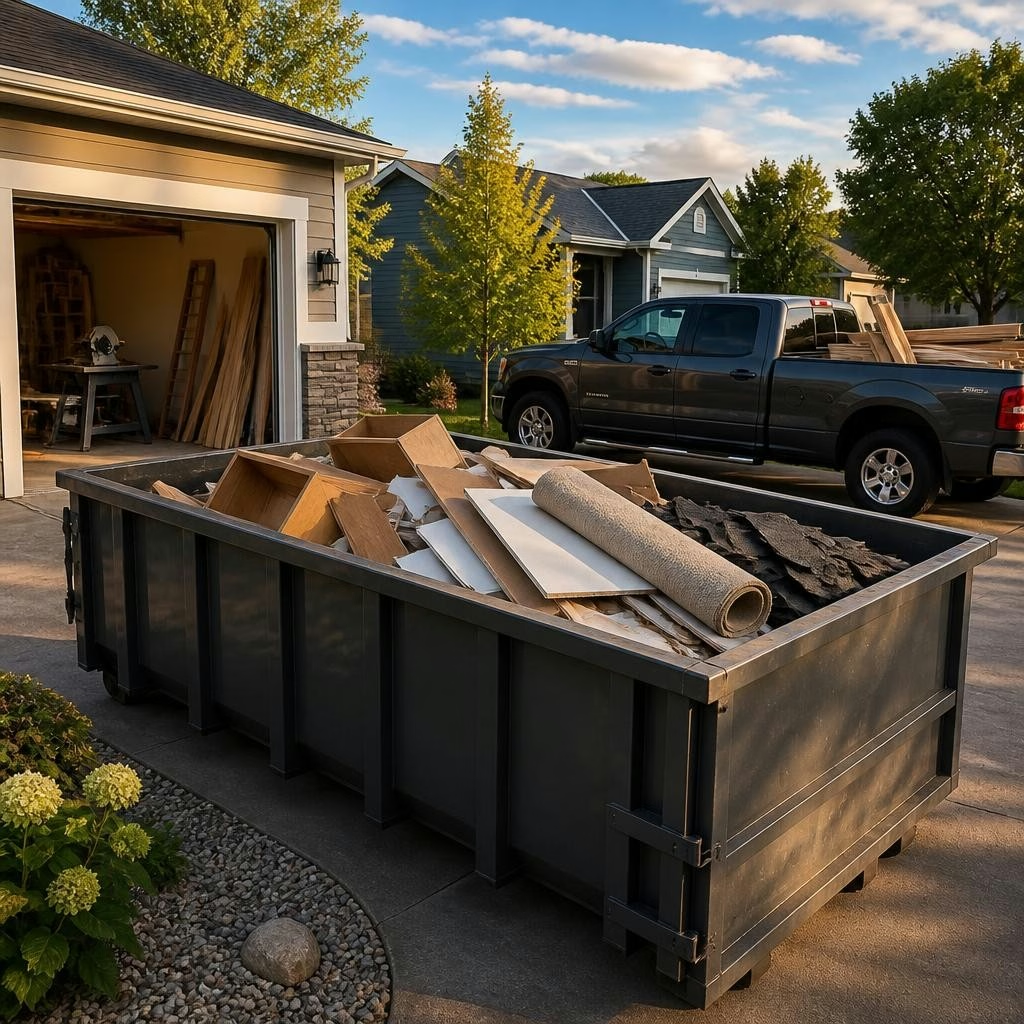
Why the right roll‑off size matters
Choosing the correct roll‑off dumpster saves time, money and frustration. The right size keeps the jobsite tidy, reduces extra trips or overage charges, and prevents safety problems from overflowing debris. Walters Recycling & Refuse (based in Blaine) offers roll‑off services for homeowners and contractors in the north‑metro area, so a quick conversation with their team can help match the dumpster to your specific project.
Match the dumpster to the project type
Think about the project scope before you pick a container. Typical matches are: garage or basement clean‑outs (mostly household junk and light debris) require the smallest containers; kitchen remodels or room removals (cabinets, countertops, drywall) usually need a mid‑sized roll‑off; larger jobs like whole‑house small demolitions or roof tear‑offs generate a lot more volume and frequently need the largest containers available. When in doubt, describe how many rooms, how much bulky furniture, or how many truckloads you expect when you call for a quote.
Consider material weight as well as volume
Not all debris weighs the same. Roofing shingles, concrete, tile and soil are heavy and can reach a truck’s weight limit far sooner than bulky but light materials like cardboard or clean lumber. Because weight — not just volume — can affect price and permitted loads, tell Walters what you plan to put in the dumpster so they can advise on weight limits, potential extra charges, and whether a special container or multiple loads are a better option.
What can and can’t go in a roll‑off
Some items need special handling under Minnesota law or Walters’ policies. Appliances and electronics must be recycled and handled separately — Walters explicitly offers appliance and electronics pick‑up and recycling services, so these items are not simply tossed into a roll‑off. Yard waste is also regulated: Walters’ yard waste program is compostable only and plastic yard bags are not accepted. For materials that may be restricted on your job (for example, electronic devices, appliances, or other regulated items), contact Walters ahead of time so they can explain how to handle them properly.
Placement, surface and local rules to plan for
Before delivery, decide where the roll‑off will sit. Driveways, paved areas or level gravel pads are best; protect pavement with boards if needed. If you plan to place the dumpster on a city street or public right‑of‑way, many north‑metro communities require a permit — check with your local city (Blaine and surrounding towns) and let Walters know so they can coordinate. Also consider driveway access for the delivery truck and whether the location will block traffic or create safety issues.
Scheduling, duration and contractor needs
Walters works with many contractors and homeowners in the north‑metro area and is used to scheduling deliveries and pickups around project timelines. When you call, describe your preferred delivery and pickup dates, and whether you need flexibility for unexpected project delays. Customers frequently note that Walters’ staff are responsive and helpful in arranging service, which makes coordinating multiple job sites or changing delivery windows easier.
Cost factors and how to avoid surprises
Several things determine the final cost: the dumpster size and rental duration, the type of material (heavy vs. light), the total weight, and any required special handling for appliances or electronics. Walters also applies a fuel adjustment tied to fuel prices (this is noted in their billing practices). To avoid surprises, provide a complete list of expected items, ask about weight limits and overage fees up front, and clarify whether additional pickups or a different container will be needed if your project grows.
Quick checklist and next steps
Before you book: 1) inventory the debris types (appliances/electronics, roofing, concrete, general junk); 2) estimate volume roughly by rooms or number of large items; 3) identify a safe, level placement spot and check for permits if placing on public property; 4) ask Walters about weight limits, special handling, and any extra charges; and 5) schedule delivery with a realistic rental window. If you’re in Blaine or the north‑metro, reach out to Walters’ roll‑off team to describe your job and get a recommended container and timeline tailored to your project.
Article by
Walters Recycling & Refuse - Corporate Office
Walter’s Recycling & Refuse Inc. is a leading provider of waste collection and recycling services to both the public and private sectors in the twin cities metropolitan area. We are a family-owned and operated business started in 1988 with a fleet of over 60 diesel and compressed natural gas (CNG) powered trucks and over 70,000 customers.