Yard Waste Rules in Minnesota: A Homeowner’s Guide to Compostable Pickup in Blaine and Nearby Areas
A friendly, practical guide to Minnesota yard‑waste rules and how to prepare leaves, grass, brush, and branches for curbside compostable pickup with Walter’s Recycling & Refuse — including bundling, why plastic bags aren’t allowed, and the typical April–November season.

Why this guide matters
Minnesota law restricts putting yard waste into regular garbage, and many communities — including Blaine and neighboring suburbs served by Walter’s Recycling & Refuse — run seasonal curbside compost programs. Following the rules helps the materials be turned into compost, prevents contamination, and avoids extra charges or missed pickups. This guide walks through what’s accepted, how to prepare and bundle material, important timing, and how to sign up or get help.
What counts as yard waste
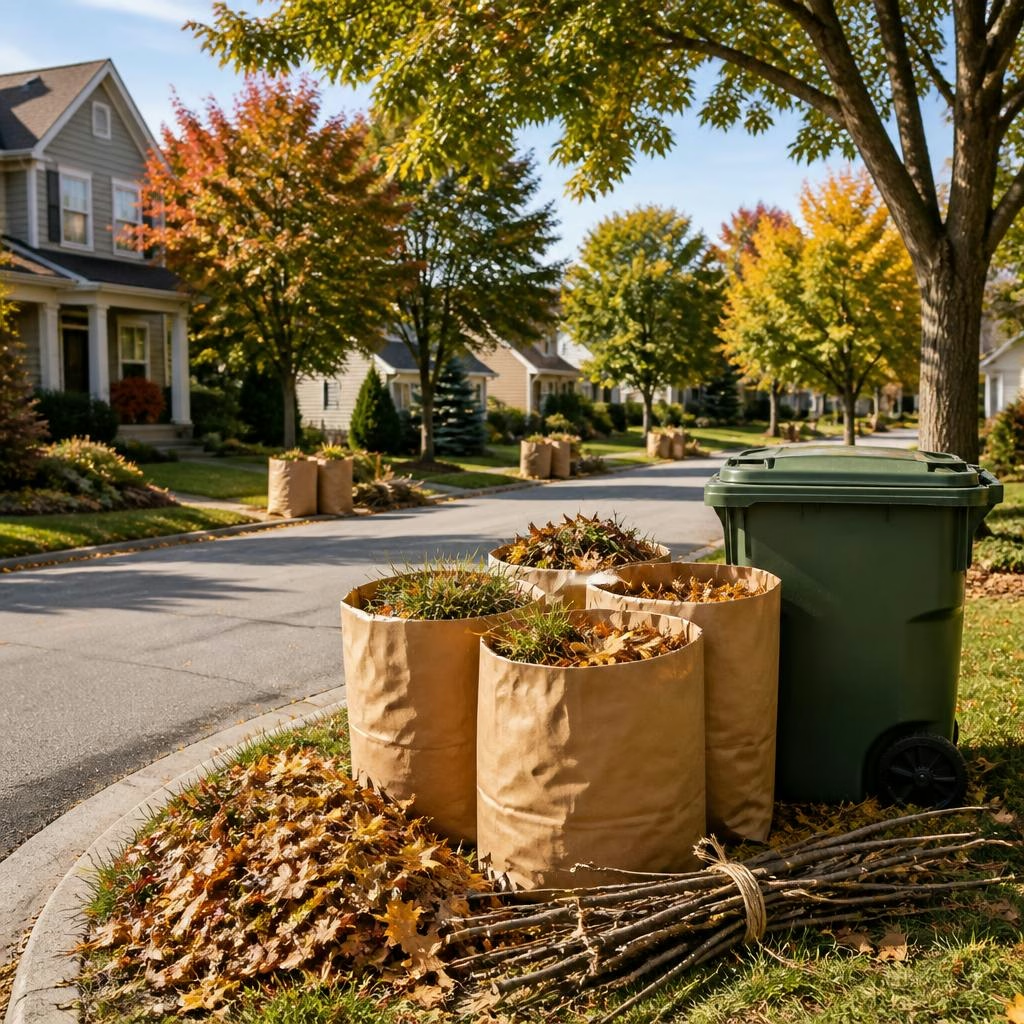
Typical yard waste accepted for curbside composting includes leaves, grass clippings, weeds, brush and small branches. Walter’s program is designed to keep the collection stream 100% compostable, so it focuses on organic plant material that can be processed into compost rather than landfill waste.
Branch and bundle rules
To keep trucks and processing equipment running smoothly, branches must be cut short and bundled. For Walter’s yard‑waste program, branches should be no more than 3 feet in length and tied into bundles no larger than about 18 inches in diameter. Use twine or natural-fiber cord that won’t tangle equipment. Larger brush or long logs will likely not be accepted curbside and may require separate disposal options.
Why plastic bags are not allowed
Plastic yard‑waste bags are not accepted because they contaminate compost and cannot be processed. If plastic bags are left at the curb, drivers will need to debag the contents, leave the empty bags behind, and additional charges per bag may apply. Keeping materials loose in a cart or in approved paper bags/biodegradable containers (if your program allows) helps ensure everything can be composted.
Seasonal timing and pickup logistics
Walter’s yard‑waste collection typically runs from April through the last week of November, weather permitting. Yard waste is picked up on your regularly scheduled garbage collection day, so place material at the curb by 6:30 a.m. on that day — many homeowners find it easiest to put materials out the night before. Following the schedule helps drivers collect everything efficiently and reduces the chance of missed service.
Signing up and getting help
Yard‑waste service with Walter’s is optional and available for an annual fee; contact their office for current enrollment details. If you need to change your start date, request cart replacement, or report a missed pickup, Walter’s customer service is set up to assist — many customers report that setup is quick and staff are responsive when arranging yard‑waste service. If a cart or lid is damaged, calling the office will start a replacement at no charge when wear-and-tear is the cause.
Practical tips and final reminders
Before collection day, review your bundled branches to be sure they meet the size limit, keep leaves and grass free of plastic or trash, and place everything next to (not inside) recycling carts if you have excess. If you ever forget to set material out, call the office as soon as possible — Walter’s may be able to return the same day. Following these simple steps keeps materials compostable, avoids extra fees, and helps the community get useful compost out of yard waste instead of sending it to landfill.
Customer review


Article by
Walters Recycling & Refuse - Corporate Office
Walter’s Recycling & Refuse Inc. is a leading provider of waste collection and recycling services to both the public and private sectors in the twin cities metropolitan area. We are a family-owned and operated business started in 1988 with a fleet of over 60 diesel and compressed natural gas (CNG) powered trucks and over 70,000 customers.