Gas vs Electric Hot Water in Hobart: running costs, reliability, safety and how a changeover works
A practical guide for Hobart homeowners comparing gas, electric and heat-pump hot water: what affects running costs, how systems behave during outages, venting and safety needs, and what to expect when a licensed gasfitter carries out a changeover.
Why this comparison matters for Hobart homes
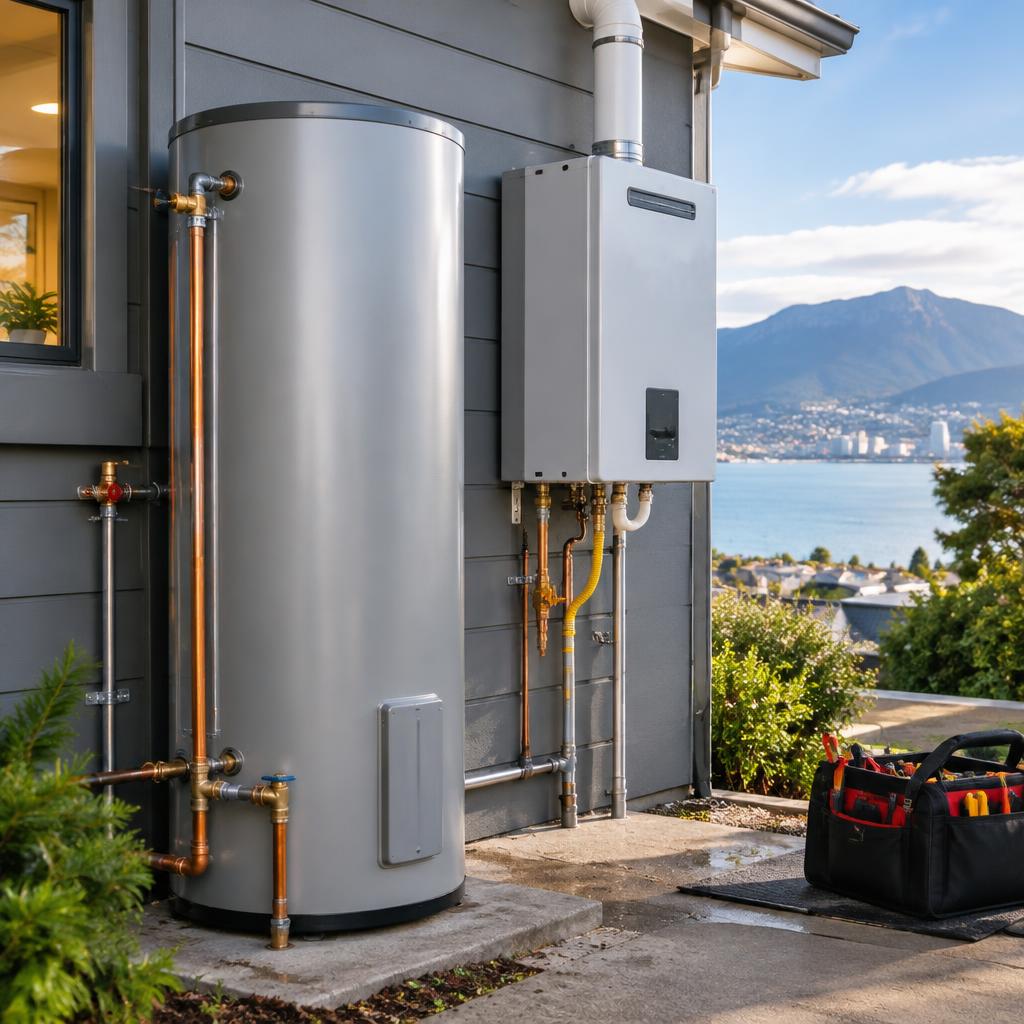
Choosing between gas, electric resistance and heat-pump hot water affects your ongoing bills, comfort and the safety requirements at your property. In Hobart’s climate and energy market, the most economical or reliable option depends on your current fuel connection, household hot-water habits, roof/plant space and whether you want resilience during power outages. This article outlines the practical differences and what a licensed gasfitter will check during a changeover.
Running costs: what actually drives your bill
Don’t rely on simple labels — running costs come down to three things: the energy source price (gas or electricity), system efficiency and how much hot water you use. Electric resistance systems are nearly 100% efficient at converting electricity into heat but electricity rates can be higher per unit of energy. Heat-pump hot water uses ambient heat and can deliver several times the energy you pay for (measured as COP), often making it the cheapest option per litre heated in mild climates. Gas systems (storage or instantaneous) can be cost-effective where gas is competitively priced, but their real-world running cost varies with appliance efficiency, standing losses from cylinders and how often you draw hot water. To compare options for your home, check current electricity and gas tariffs, estimate daily hot-water usage, and compare unit efficiencies rather than just upfront prices.
Reliability and performance during power outages
Consider how your system behaves when the power goes out. Most electric and heat-pump systems require mains electricity to operate, so during an outage they will not heat water. Some older gas storage units can continue to supply already‑heated water in the cylinder, but modern gas instantaneous or condensing units often need power for electronic ignition and pumps. If outage resilience is important, options include keeping a well-insulated storage cylinder, choosing a gas unit designed for operation without mains power, or pairing your hot-water system with a small backup power source or solar-plus-battery. Discussing your priorities with an installer will identify the right combination of storage, fuel and backup for your location.
Safety, venting and regulatory responsibilities
Gas appliances bring specific safety and venting requirements: correct flueing, combustion air supply and secure gas connections are essential to manage combustion products and prevent leaks. Carbon monoxide risk, gas leak detection and adequate clearances around appliances make proper installation non-negotiable. Electric and heat-pump systems have fewer combustion hazards but still require correct electrical connection and safe mounting. Any change involving gas must be carried out by a licensed gasfitter who follows local safety rules and inspects the installation. J & J Plumbing & Gasfitting work with licensed, safety-focused technicians and modern detection and testing equipment to ensure installations meet required safety checks.
How a changeover is managed by a licensed gasfitter
A typical changeover starts with a site visit and assessment: confirming your existing fuel connection (reticulated gas vs LPG or electric only), measuring space and clearances, and checking whether existing pipework, venting or mounting can be reused. Next comes product selection and sizing based on household demand. On installation day the old unit is removed (if present), new connections and venting are completed, gas and water lines are pressure-tested, and the installer sets temperatures and demonstrates operation. Final safety checks and any required paperwork or certificates are issued where applicable. Customers frequently report quick, tidy installations and clear communication from experienced teams — helpful when you want the work done with minimal disruption.
Practical tips for Hobart homeowners deciding now
Before you decide: confirm if your property already has a gas main or only LPG; check roof or ground space if considering a heat pump; compare appliance energy-efficiency ratings and expected standing losses for cylinders; and consider pairing a heat pump or electric heater with solar PV if you have or plan rooftop solar. Simple measures — insulating the hot-water cylinder and hot-water pipes, setting the thermostat to a safe but efficient temperature, and scheduling regular servicing — can noticeably reduce running costs regardless of fuel choice.
How J & J Plumbing & Gasfitting can help
If you’d like an on-site assessment, J & J Plumbing & Gasfitting install and service gas, electric and heat-pump hot-water systems across Hobart and surrounding suburbs. Their team offers practical advice on running costs, backup options and the right safety arrangements, and customers consistently note prompt response times and neat workmanship. Contact their office to request a quote or inspection and get a tailored recommendation for your home.
Article by
J & J Plumbing & Gasfitting
J & J Plumbing & Gasfitting is Hobart’s local expert for residential and commercial plumbing and gasfitting. We provide 24/7 emergency burst pipe and gas leak response, hot water system installation and repairs (gas, electric, heat pump), drain, sewer and stormwater cleaning with high-pressure jetting, commercial kitchen fitouts, roofing/gutter repairs and full renovations/new-home plumbing. Licensed, safety-focused technicians using modern equipment to deliver fast, reliable, and long-lasting solutions across Hobart and surrounding areas. Request a quote or book a service today.